Brand systems and rollout for growing teams.
A brand only really proves itself once more people have to use it. If the system is too loose, things drift. If it is too rigid, people work around it.
We build brand systems that help teams stay consistent without draining the life out of the work.
What is a brand system?
A brand system is the structure that makes a brand usable by everyone who touches it: the foundations, the components and templates built from them, the rules for combining them, and the tooling that puts them in the hands of the people who use the brand every day.
A logo and a colour palette tell a team what the brand looks like. A system tells them how to make the next presentation, campaign, or product screen without starting from scratch, and without the work drifting depending on who made it.
Increasingly, people are not the only ones using it. AI tools now write copy, build slides, and describe companies on their behalf, and a PDF of guidelines means nothing to them. We build systems that agents can read as well as people, generated from one source of truth so the two never drift apart.
What goes into one
- Foundations
- Logo, typography, colour, grid, imagery, and tone of voice. The fixed points everything else is built from.
- Components
- Reusable building blocks, from layouts and graphic devices to interface elements, designed to combine predictably.
- Rules
- Clear guidance on how the pieces fit together, shown through real examples rather than abstract lists of what to avoid.
- Templates and tooling
- Presentation, social, editorial, and campaign templates, plus generative tools where the volume of work demands them.
- Governance
- Clear ownership, a single source of truth for assets, and a process for evolving the system as the business changes.
Who this is for
For teams managing a brand across multiple people, markets, and touchpoints.
You already have a brand, but applying it consistently is getting harder. The guidelines are out of date, too rigid, or too vague, and the work is starting to drift depending on who is making it. There is no clear source of truth for assets, templates, or components, so every team ends up solving the same problems differently.
We work with in-house teams and brand leads who need something more practical than a launch deck and more useful than a pdf nobody opens.
What we do
We turn brand direction into systems people can actually use.
We build the structures behind the brand, so good decisions become easier to make. That can include guidelines, templates, tooling, asset libraries, or component systems, depending on what the team really needs.
Brand architecture
Clarifying how parent brands, products, and sub-brands relate.
Design systems
Foundations, components, and patterns across digital and print.
Guidelines
Clear, practical documentation built around real usage.
Template libraries
Tools for presentations, social, editorial, and campaign work.
Generative and dynamic tooling
Useful systems that help teams produce more with consistency.
Rollout and training
Support to help teams adopt the system properly.
Selected project proof
Recent brand system work.
A selection of recent work from the studio.

AlixPartners
A global consulting brand supported by a generative tool and a more scalable system.
View case study
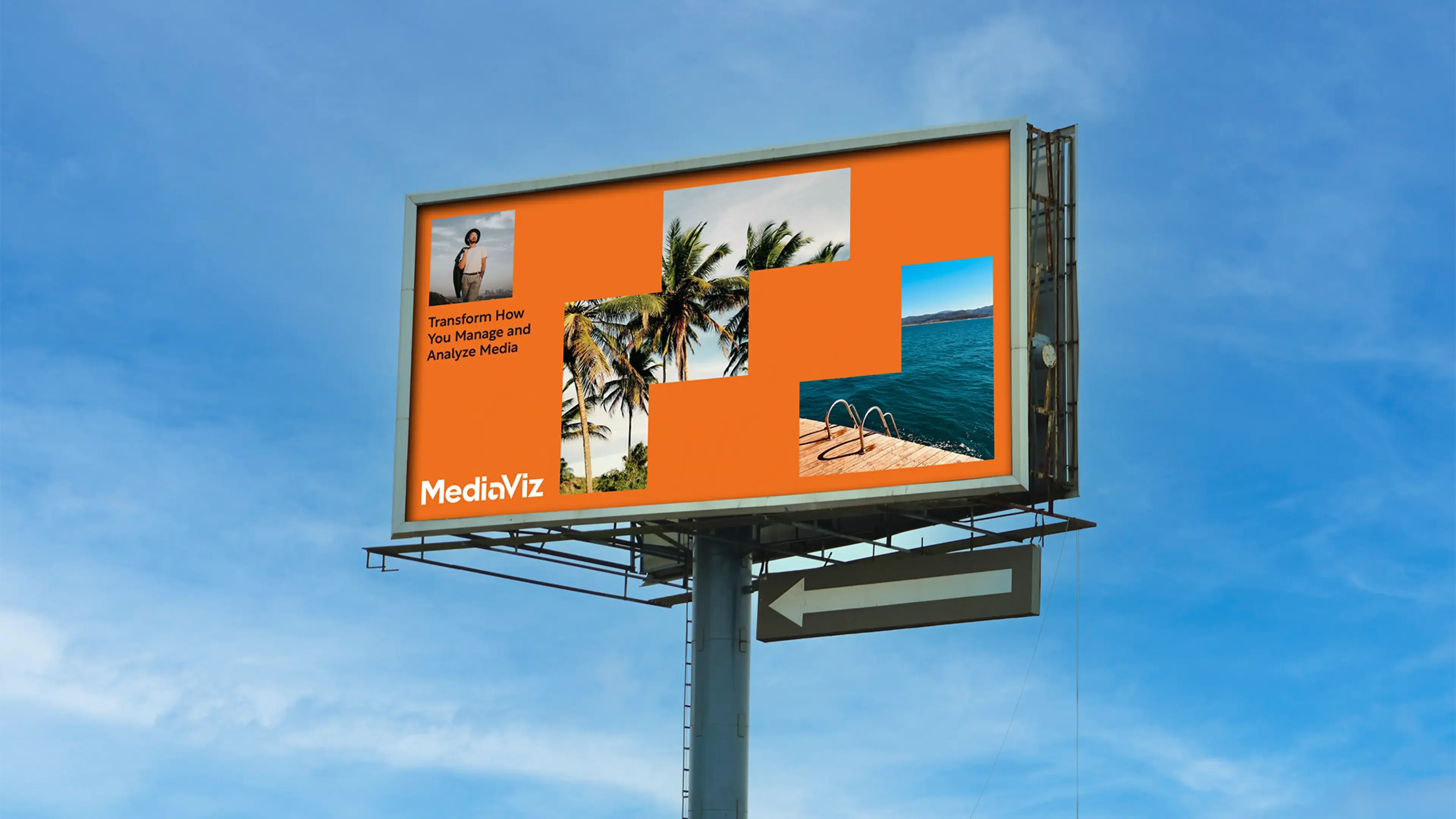
MediaViz
A focused identity system built from one clear visual idea and applied with consistency.
View case study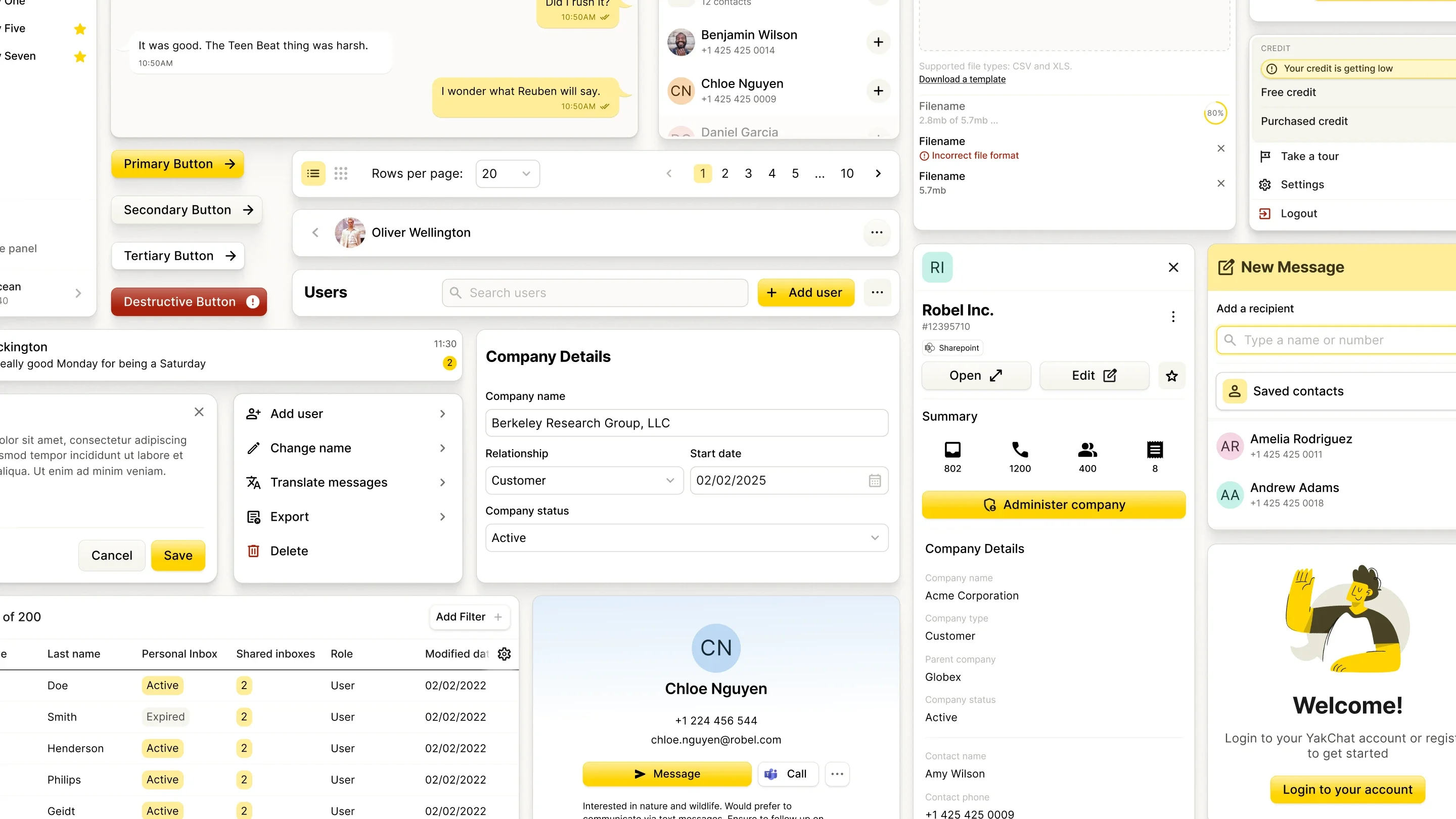
YakChat
A shared design system connecting brand, marketing site, and product experience.
View case studyHow we work
A process designed around the people who will live with the system.
- 01
Audit
We look at how the brand is being used now, and where it is breaking down.
- 02
System design
We define the foundations, components, and rules the team actually needs.
- 03
Guidelines and tooling
We create documentation and templates that support day-to-day use.
- 04
Embedding
We help the system take hold through rollout, onboarding, and support.
Common questions
Brand systems: common questions
- What is the difference between a brand system and brand guidelines?
- Guidelines are documentation. A brand system is the underlying structure: foundations, components, tooling, and asset libraries that make the guidelines usable in practice.
- What is the difference between a brand system and a design system?
- A design system usually covers digital product: interface components, code, and interaction patterns. A brand system sits above it and covers every touchpoint, from a pitch deck to a billboard. For many teams, the design system is one part of the brand system.
- Who is this work for?
- In-house brand and design leads, heads of marketing, and design ops teams managing a brand across multiple people, regions, or touchpoints.
- Can you build generative or dynamic tooling?
- Yes. Recent examples include a generative brand tool for AlixPartners, designed in close partnership with their internal team.
- Will the system work across digital and print?
- Yes. We build foundations that hold up across both, with components and templates designed for real day-to-day use.
- Do you train teams on the system?
- Yes. Rollout, onboarding, and ongoing support can be built into the engagement, so the system is understood and used properly after handover.
Other services
Explore the rest of the studio.
-
Brand identity
Positioning, naming, and visual systems for ambitious businesses.
-
Website design and development
Fast, accessible sites that reflect the quality of the business.
-
Digital product design
UX and UI for complex tools, platforms, and SaaS products.
-
Annual report design
Editorial design and data visualisation for complex research.
-
Design agency near Bath
Working with local businesses, founders, and in-house teams.
If more people are using the brand than the current system can support, tell us what you are working with.