Product design for complex digital tools.
When a product is doing real work for real users, design decisions have consequences. They affect speed, confidence, trust, and whether people can actually get through the task in front of them.
We work with product and engineering teams to make complex tools clearer, more consistent, and easier to use.
Who this is for
For product teams who need design to pull its weight.
The product has grown, but the experience has not kept pace. New features have been layered onto an interface that was built for a simpler version of the tool, and users are feeling the friction. New users struggle to get started, experienced users lean on workarounds, and design and engineering are working from different assumptions.
Our best work happens with founders, product leads, and engineering teams who want a proper design partner and a shared way forward.
What we do
We design interfaces around how the product is actually used.
We stay close to the product, the people building it, and the people using it. Flows, components, and critical screens are developed together so what gets designed is useful, buildable, and grounded in reality.
UX research and flows
Understanding what users are trying to do, and where the experience gets in the way.
Information architecture
Clearer structure, hierarchy, navigation, and states.
UI design
Interfaces with clarity, character, and consistency.
Design systems
Components and patterns teams can keep building with.
Prototyping
Useful prototypes for testing and decision-making.
Engineering handover
Files, specs, and collaboration that help teams move into build.
Selected project proof
Recent digital product work.
A selection of recent work from the studio.
YakChat
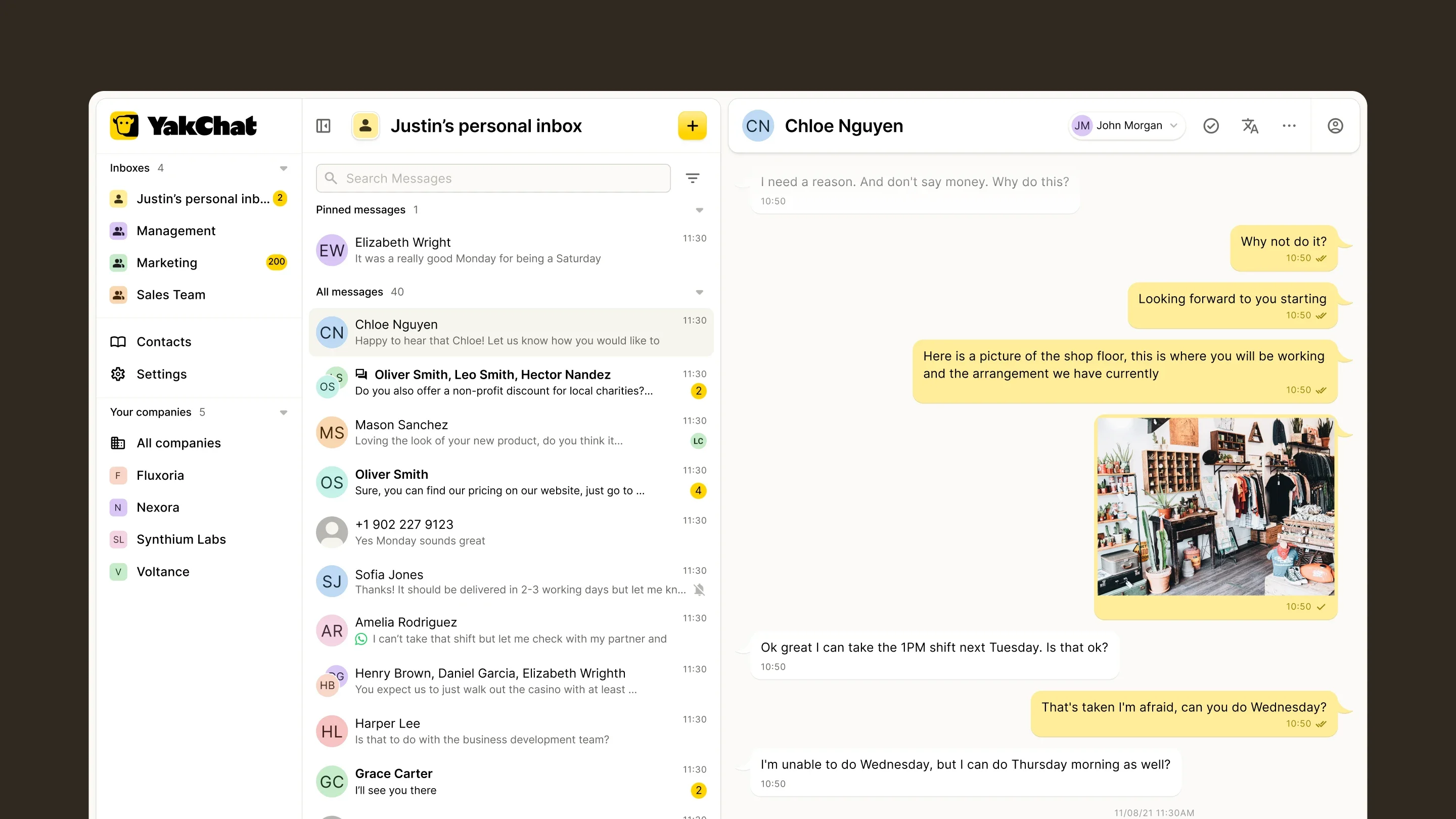
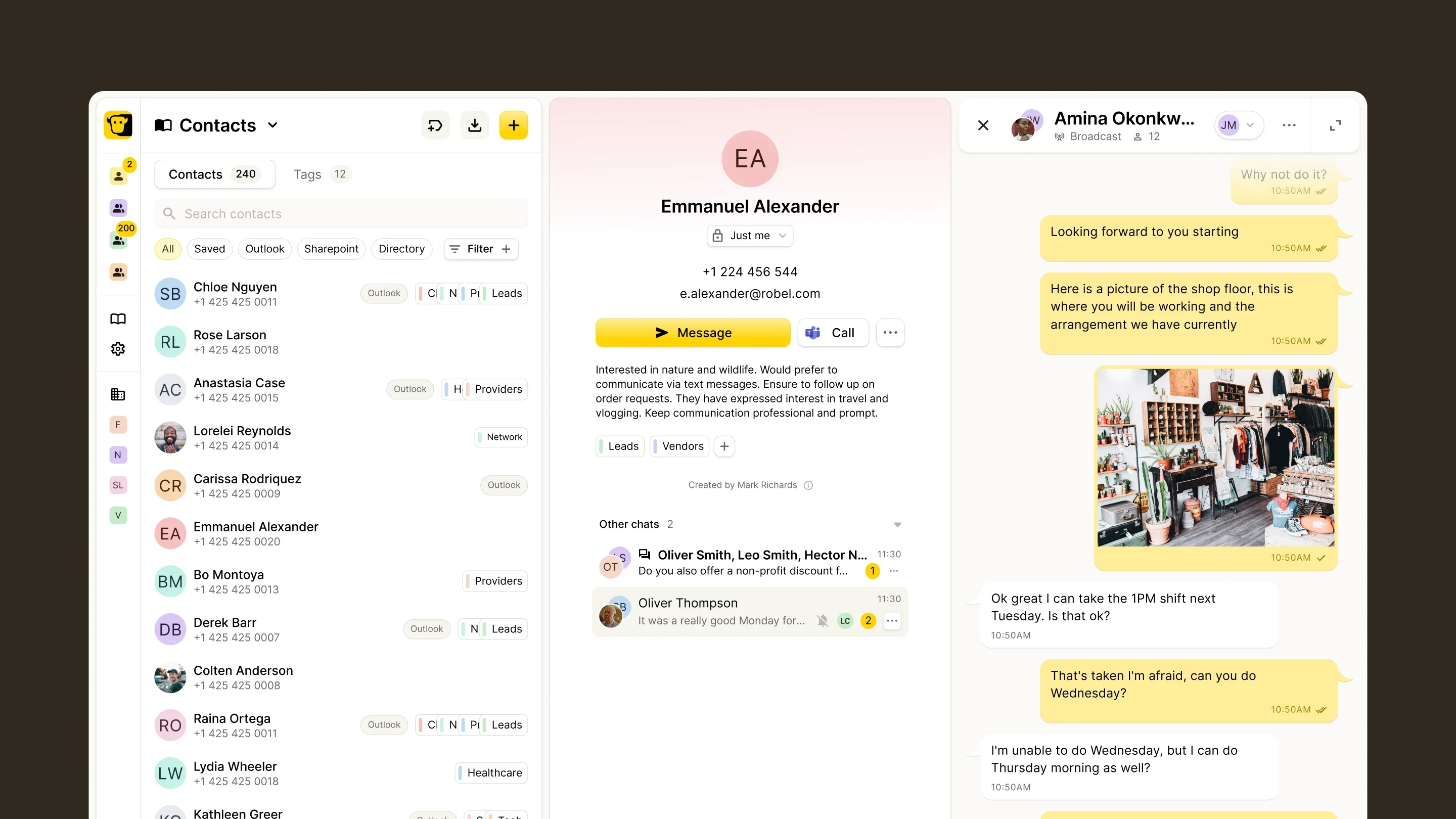
A complex B2B messaging platform reworked across product, system, and interface.
View case study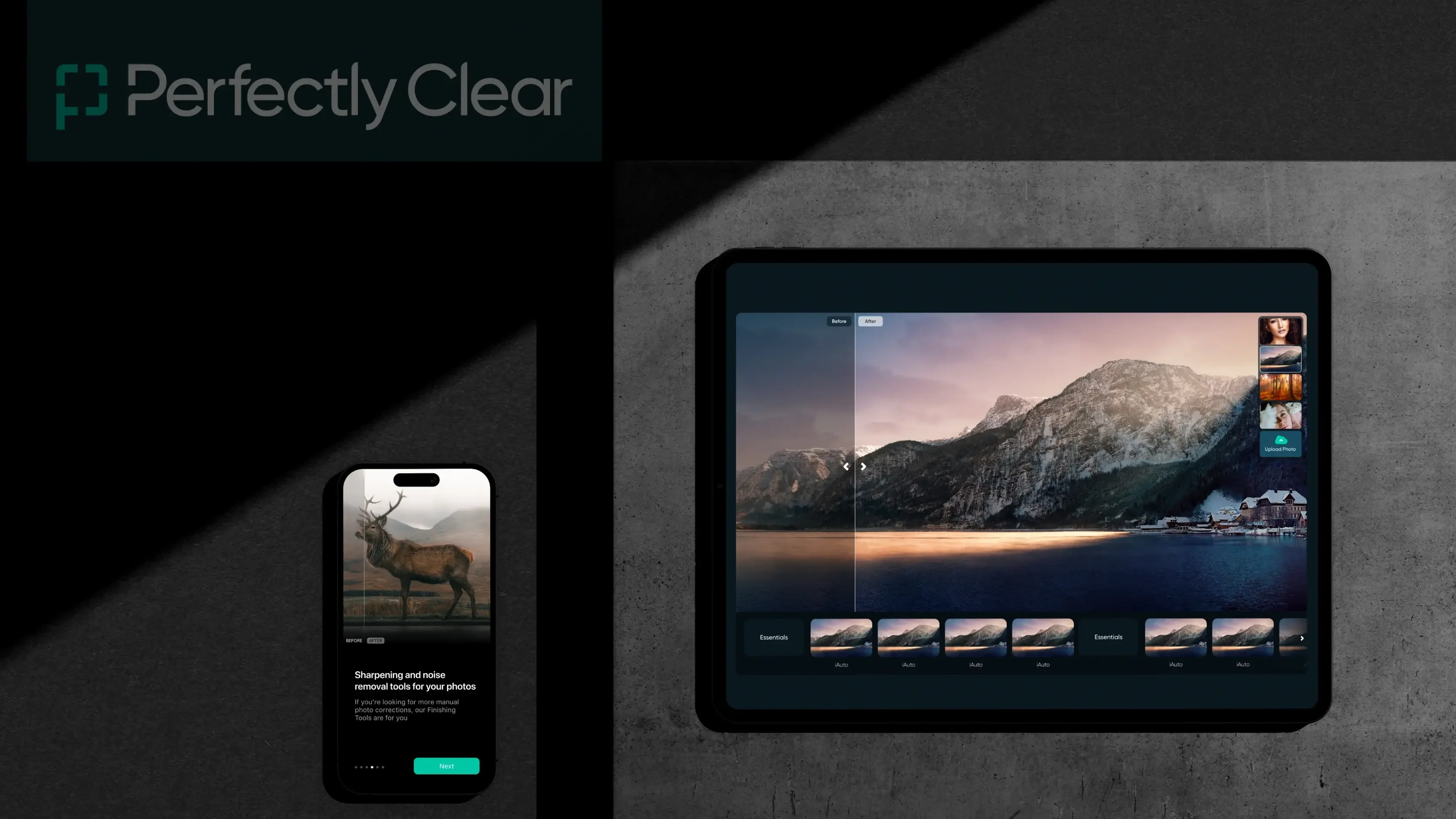
Perfectly Clear
Sophisticated image correction software made more intuitive for busy B2B users.
View case study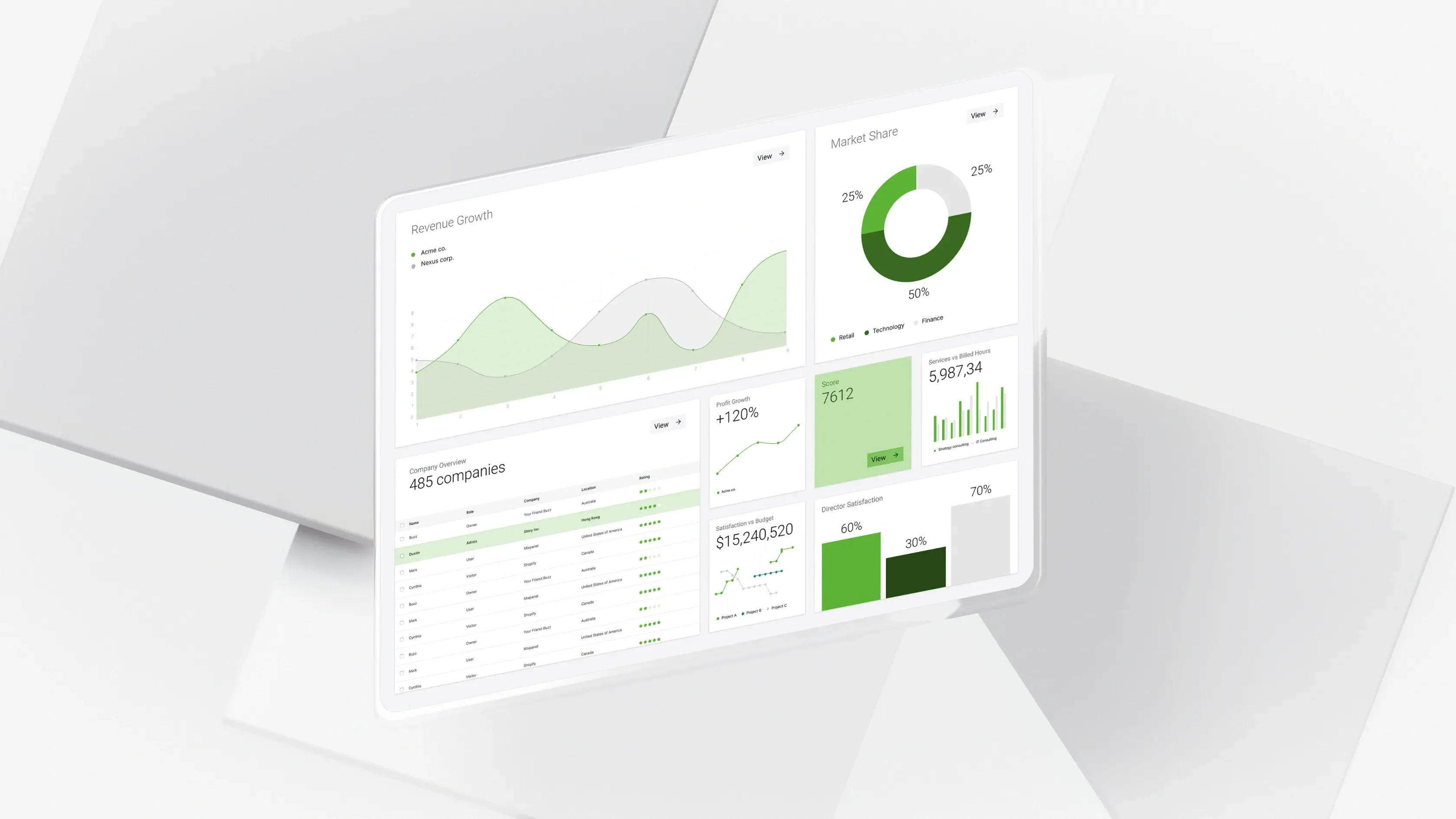
AlixPartners
A generative brand tool designed in close collaboration with an internal team.
View case studyHow we work
A process that stays close to the product and the team behind it.
- 01
Audit and framing
We spend time with the product, the team, and the points of friction.
- 02
Systems and core flows
We focus first on the parts of the product where clearer design will matter most.
- 03
Design and build in parallel
We work closely with engineering, so the work stays grounded and moves faster.
- 04
Iteration
We refine as the product evolves, rather than treating launch as the finish line.
Common questions
Digital product design: common questions
- Do you only work on greenfield products?
- No. Most of our work is on products that have grown unevenly and need rework, restructuring, or a proper design system before the next phase.
- How do you work with engineering teams?
- Closely. We design in parallel with build, share work in code where the engagement calls for it, and treat handover as continuous rather than a single milestone.
- Can you build a design system from scratch?
- Yes. See our brand systems and design systems work.
- Do you work with B2B SaaS specifically?
- Often, yes. Recent product work includes YakChat, Perfectly Clear, MediaViz, and AlixPartners.
- Do you work with teams outside the UK?
- Yes. Product engagements regularly run with teams in the US and Europe, working remote-first with on-site visits where useful.
Other services
Explore the rest of the studio.
-
Brand identity
Positioning, naming, and visual systems for ambitious businesses.
-
Website design and development
Fast, accessible sites that reflect the quality of the business.
-
Brand systems
Guidelines, design systems, and rollout for in-house teams.
-
Design agency near Bath
Working with local businesses, founders, and in-house teams.
If the product has become harder to use as it has grown, tell us where the friction is.