Today we are launching Collectivally, a tool that helps digital teams pressure-test experiences through different accessibility lenses.
Collectivally is a partnership between Bodkin and Web Usability, the inclusive research agency led by Lucy Collins. Over the last year we have shaped the business together, designed its identity and product, and built the platform behind it. This post is about why it needed to exist, how it came about, and where we want it to go. If you are more interested in the design work, the Collectivally case study goes through the brand and product in detail.
The gap between research projects
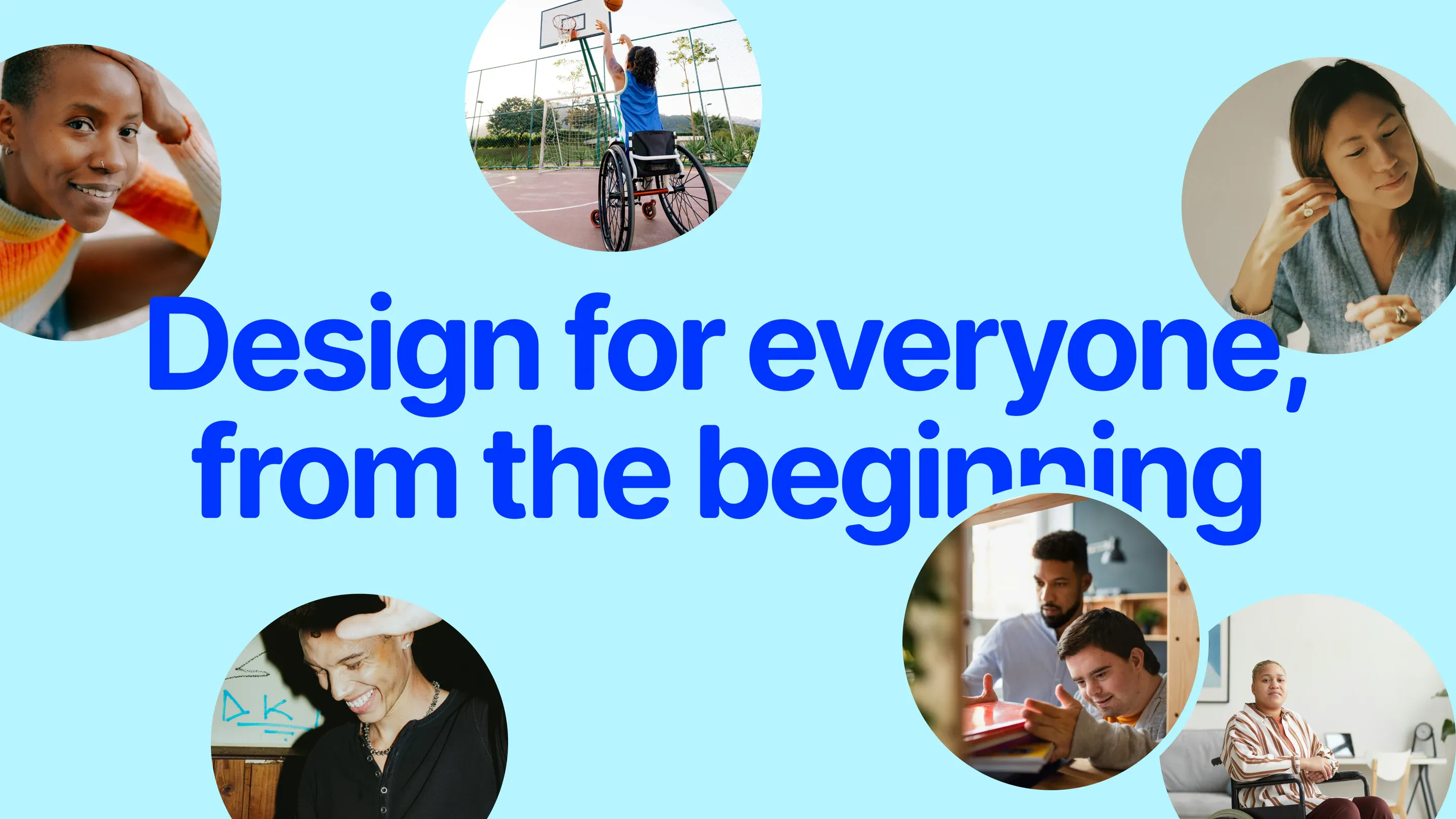
Inclusive research with disabled and neurodivergent people can completely change how a team understands what it has built. Watching someone navigate a journey in a way you had not anticipated brings context, nuance and lived experience into the room, and it surfaces assumptions that were almost invisible before.
That kind of research is invaluable, and it is often the first thing to go. Lucy has spent years hearing the same thing from clients: they want to do inclusive research, but they cannot find the time, the budget or the buy-in.
Even organisations that do commission it cannot run research for every decision. Between projects, teams keep designing, writing and building. Hundreds of choices about content, interactions and journeys are made in design reviews, backlog conversations and pull requests, often from the only perspective in the room.
There is a second problem, too. Because accessibility is so often driven by regulation, many organisations approach it defensively. The goal becomes passing the audit rather than building something that works for the people at the other end, who are simply trying to get things done online.
We wanted to make inclusive thinking something teams practise every day, rather than something they concentrate at a handful of checkpoints.
A conversation in a corridor
Collectivally started with a conversation between Lucy and our founder, James, in the corridor of the co-working space where both teams are based.
The wave of AI tools had raised an obvious question. Could the technology be used, not to replace human insight, but to carry more inclusive thinking into the rooms where decisions get made, for teams who would otherwise go without it? James thought we could build it.
They went upstairs and started sketching with Dave Smith, our lead developer. Dave and James went on to build the first working prototype in a single day at a conference in San Francisco. It proved the idea could work, and from there Collectivally grew from an experiment into a company with three founders.
In 2025, Collectivally won the Contentsquare Foundation’s Accessibility Innovation Prize, which brought funding and mentorship to support its development. You can read more in the Contentsquare Foundation’s announcement.
How Collectivally works
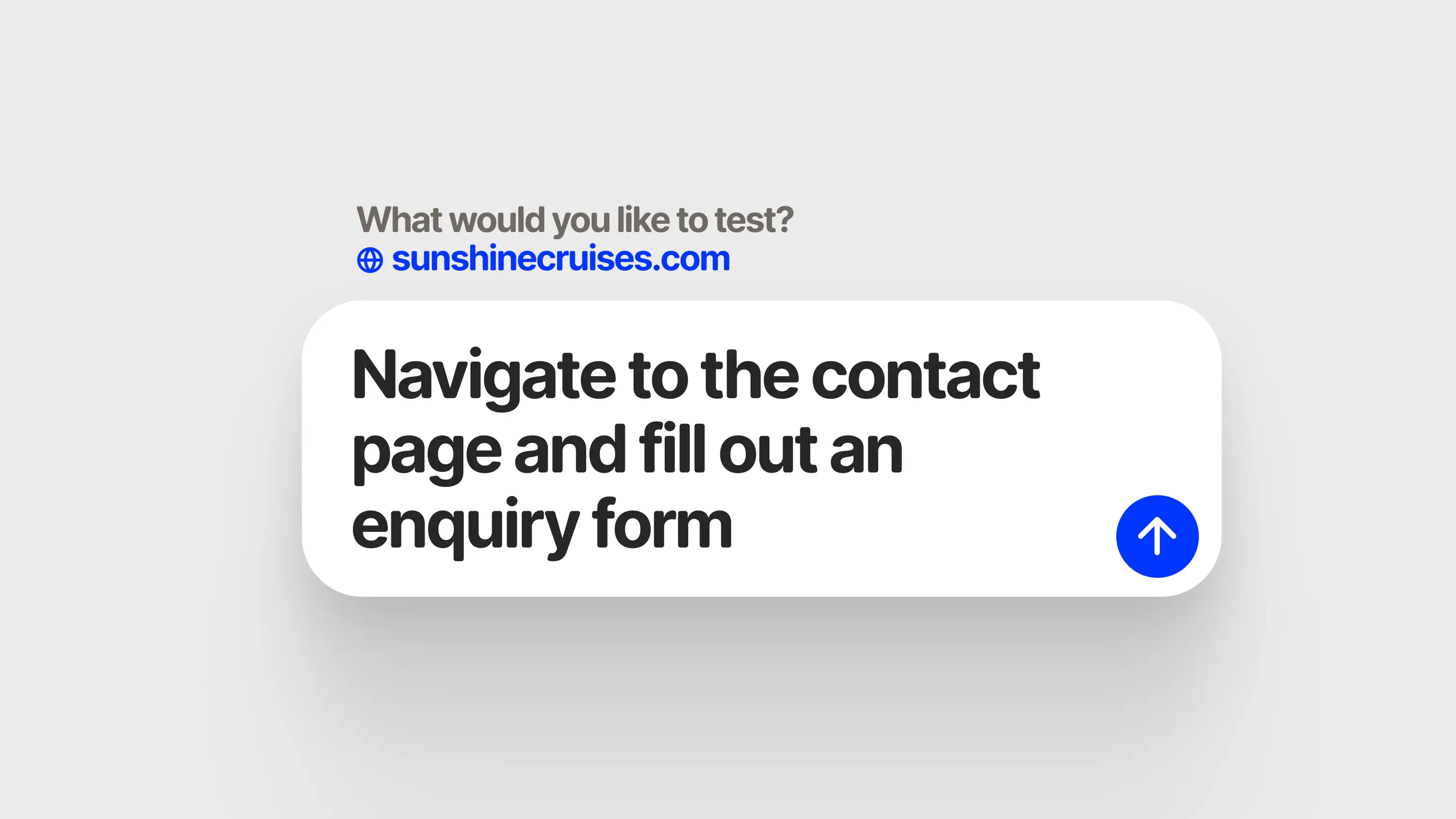
You choose a real journey on your website, select the accessibility perspectives you want to explore, and give them a task. Collectivally works through the experience and surfaces potential barriers, assumptions and questions worth investigating.
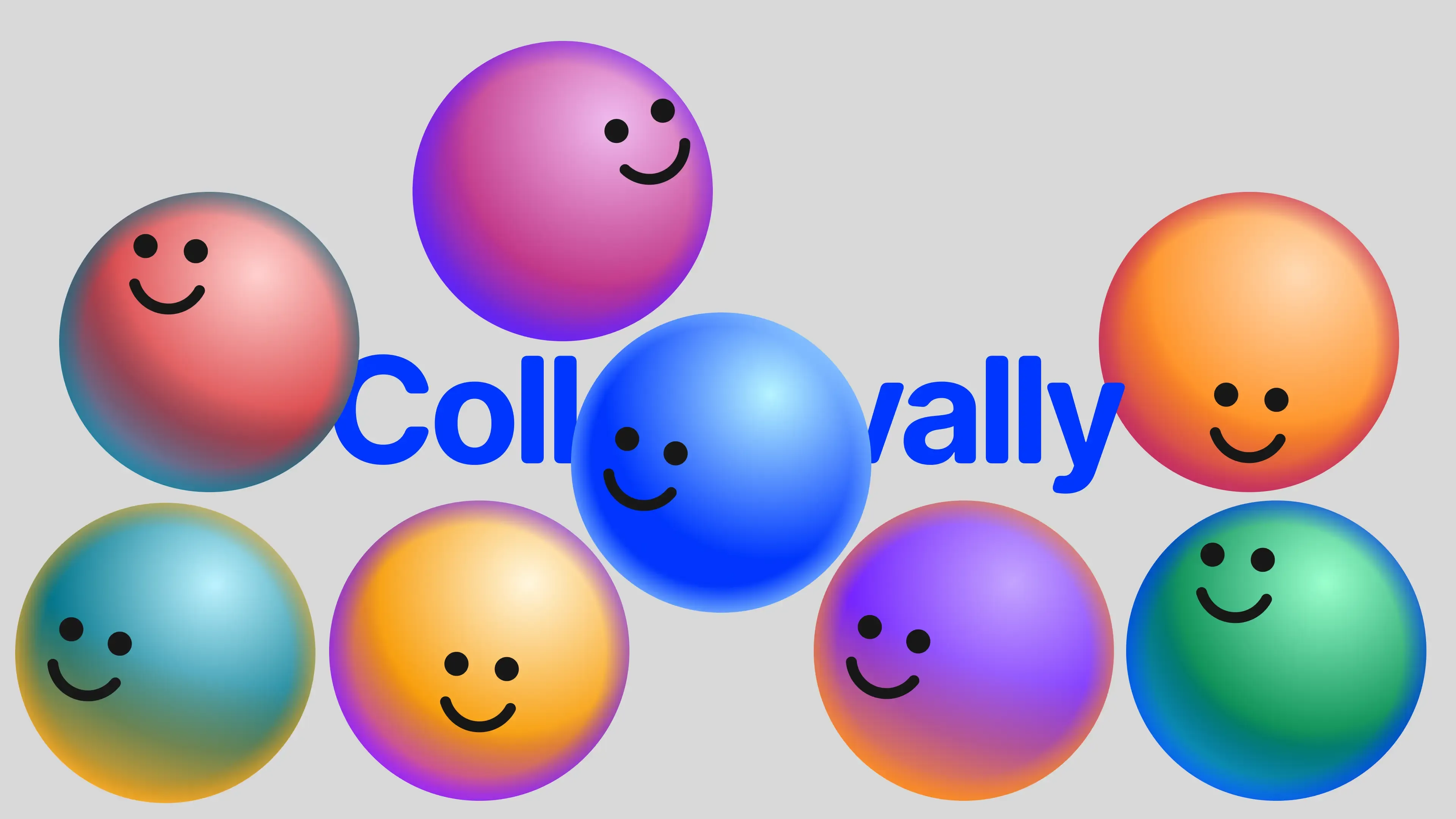
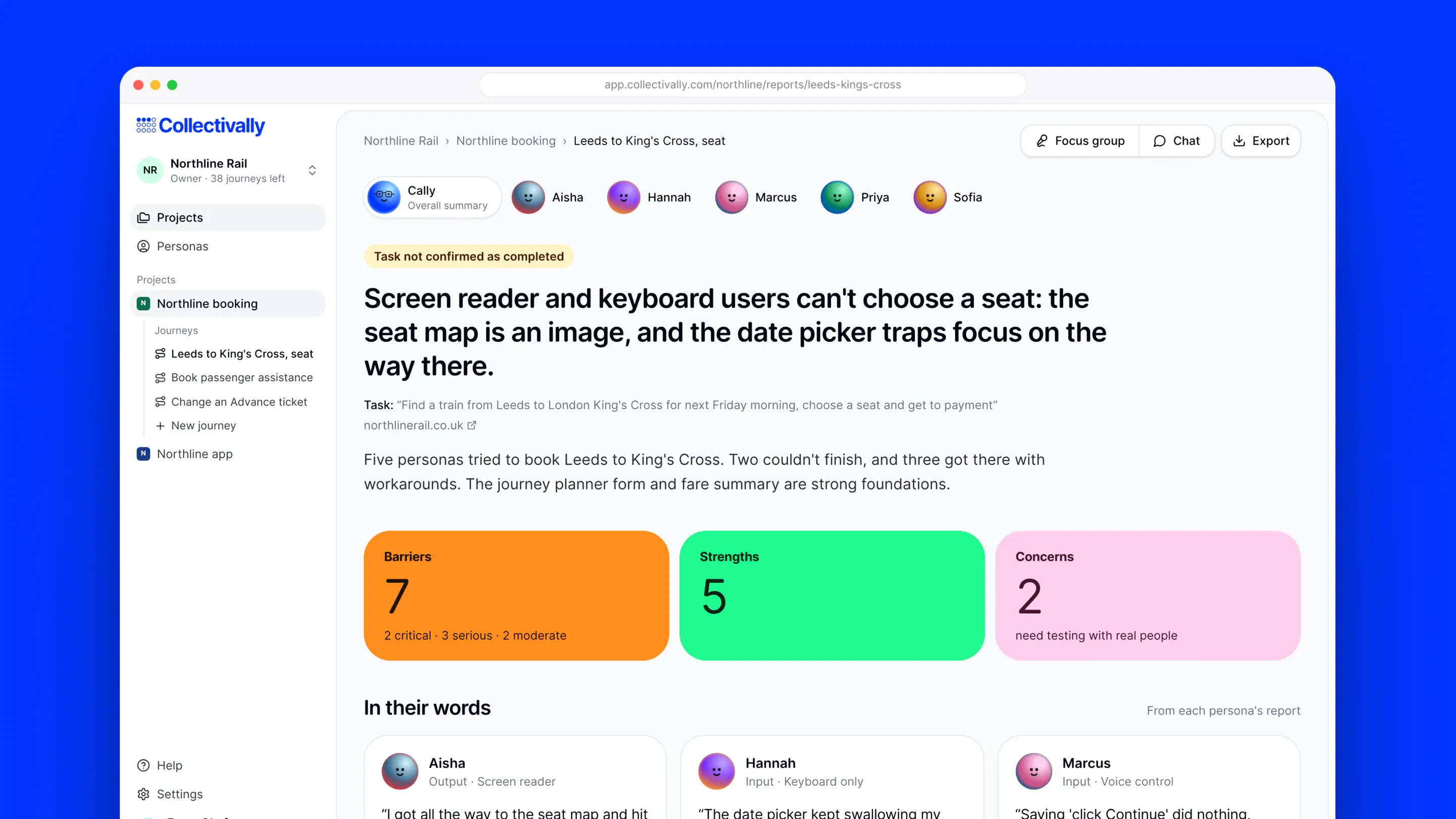
There are eight AI personas, each representing a different pattern of functional needs across areas such as vision, hearing, dexterity and cognition. They are informed by the Functional Performance Criteria of the European Accessibility Act and by nearly a decade of inclusive research with disabled and neurodivergent people through Web Usability.
We think of the personas as structured provocations. Their job is to challenge thinking and to bring perspectives into the room that might otherwise be missing, so teams can ask better questions. What happens to this checkout without a mouse? How do these instructions feel if you need more time to process information? What does this page rely on that someone else might not have?
The findings arrive as a report that shows where different perspectives met barriers, what worked well, and what deserves a closer look.
A bridge, not a destination
Accessibility testing, Collectivally and research with real people each do a different job, and we designed Collectivally to connect them.
Accessibility testing helps identify technical barriers. Collectivally helps teams challenge assumptions, look at a journey through different lenses and find the questions worth asking. Research with disabled and neurodivergent people provides the context, nuance and lived experience that only people can provide.
That last step is built into the product. When a Collectivally test raises something that needs deeper understanding, teams can move straight from the platform into testing with real people through Web Usability. We particularly like what that does for research. Teams arrive having already challenged some of their assumptions, with clearer questions about what they need to learn, so time with participants is spent where human insight matters most.
Designing something people want to use
Our part of the project was to make accessibility feel inviting rather than intimidating. The subject is serious, but a brand built around warnings and checklists tends to make people feel tested rather than curious.
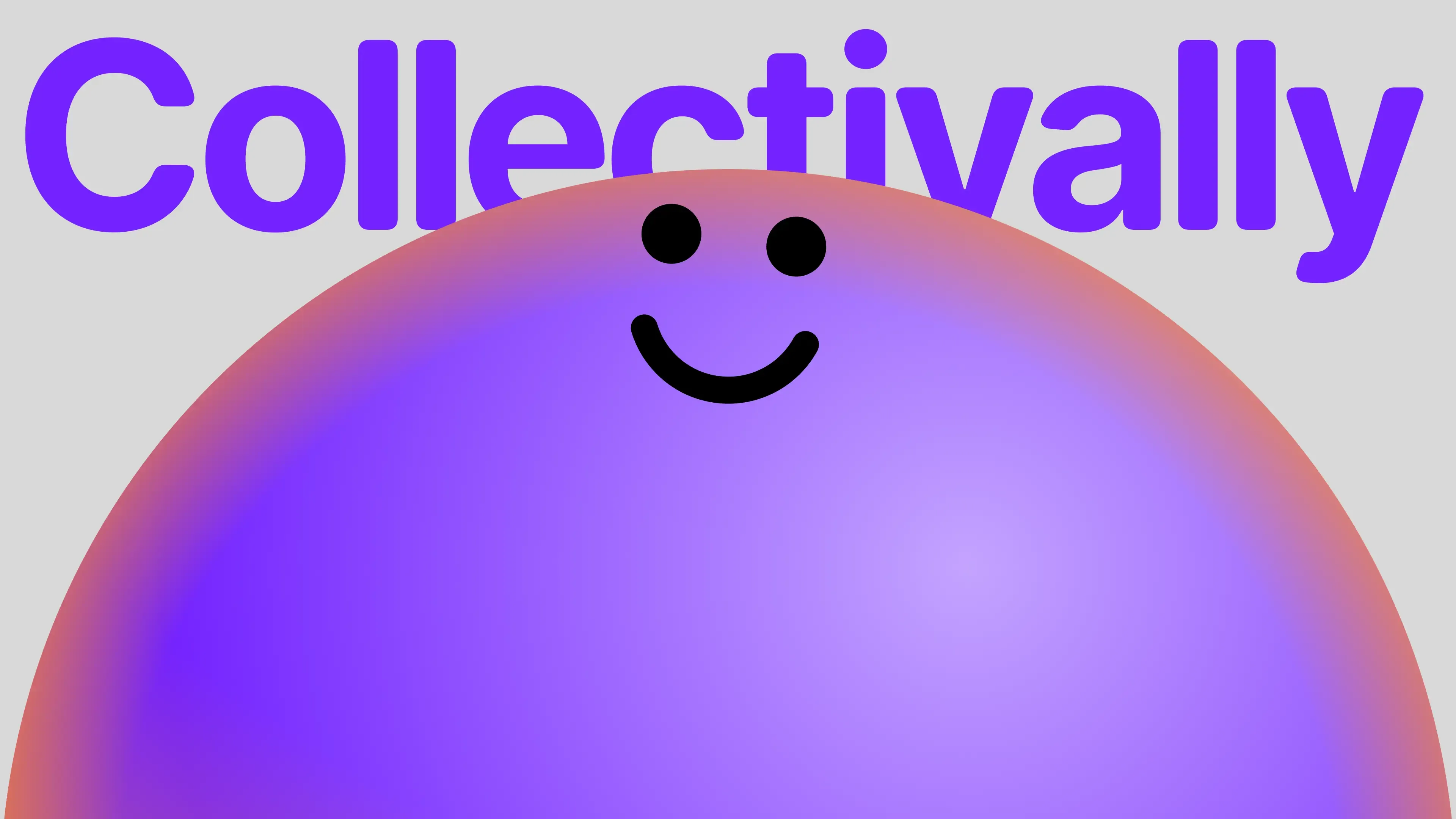
The identity starts with a grid of twelve dots, inspired by the Braille letters C and A. Three of the dots stand for the UK statistic that one in four people has a disability, and for the three founders behind the business. The personas are abstract, friendly characters that sit somewhere between a symbol and a portrait: recognisable enough to engage with, without looking like real research participants.
We cover this thinking in far more depth, with the animations and product screens, in the Collectivally case study.
With, not for
Within the disability community there is a phrase that matters: with, not for. The best way to build something that serves disabled and neurodivergent people is to build it alongside them.
The research that informs the personas comes from people with lived experience of a wide range of disabilities and neurodivergence, and those contributors are paid for their expertise. That research is ongoing rather than a one-off exercise.
We want to go further. The plan is to bring together a panel of lived experience experts involved in the ongoing development of the platform, with paid opportunities for disabled and neurodivergent people to contribute to and shape how the personas develop over time.
Where we want to take it
Our vision is simple to describe and harder to achieve: inclusive thinking as an everyday habit in digital work, not an occasional event.
That means designers, developers, content teams, researchers and product teams pressure-testing their work while it is still taking shape. It means more assumptions noticed early, more potential barriers fixed before launch, and more of the right questions taken into research with the people who can actually answer them. It also means moving the conversation around accessibility from fear to curiosity, and from compliance to genuine inclusion, without losing sight of why the standards exist in the first place.
No set of personas could ever represent every perspective. What Collectivally can do is remind a team that their own perspective is only one of many, and give them a practical prompt to look again.
Try it for yourself
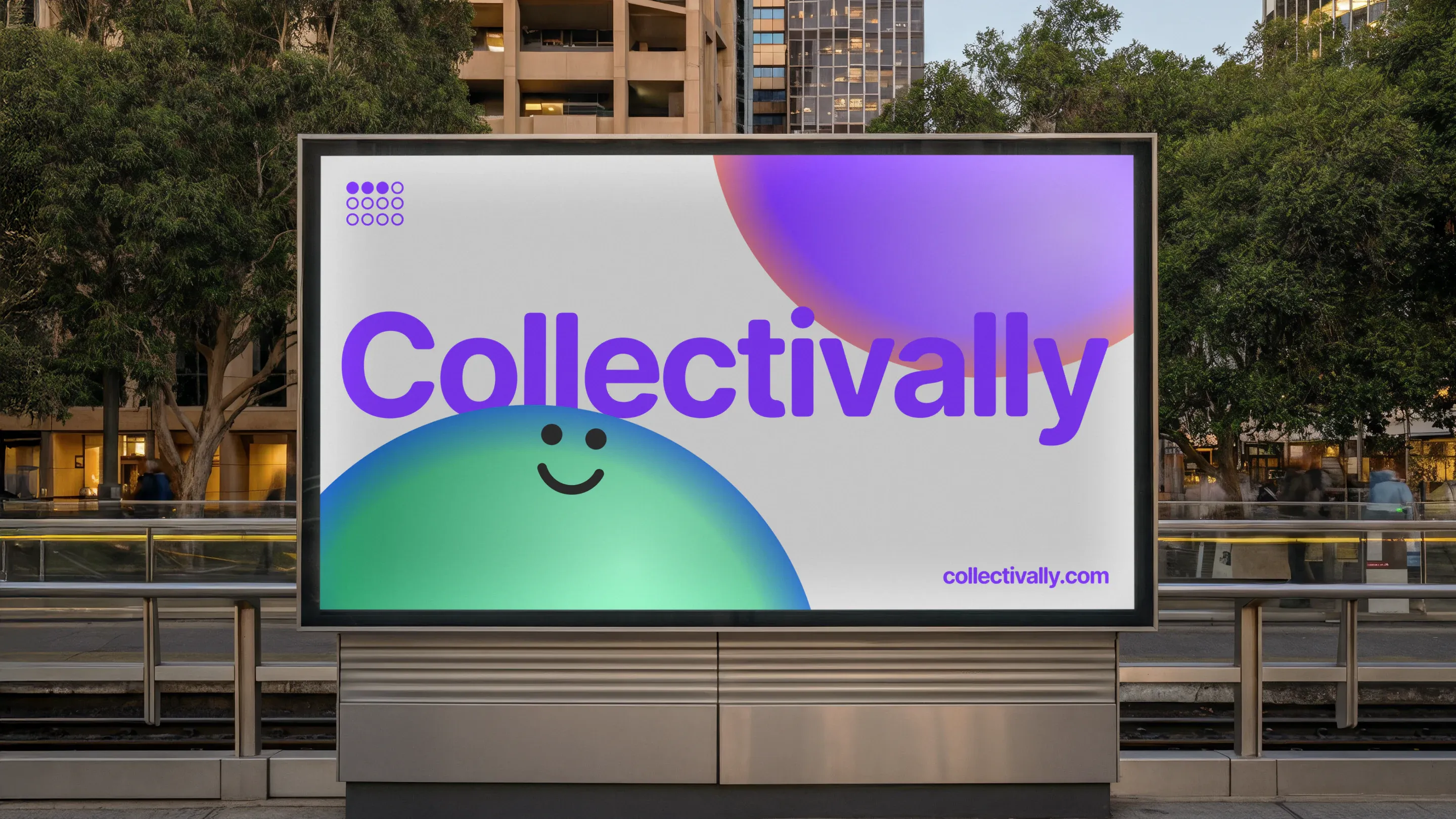
Collectivally is live today. Pick a journey, look at it through a different lens and see what you discover at collectivally.com.
If you would like to know more about the design and build, read the Collectivally case study. And if you are planning a digital service that needs to put inclusion first, we would love to hear from you.