There are a lot of people who can build you a website in Bath. There are not many who will build the right one.
If you have been through a website project before, you’ll know the gap between those two things. A site that ticks the boxes on launch day is not the same as a site that earns its place over the next three years. The difference shows up in performance, in editing experience, in how the site handles content growth, and in whether the brand actually feels like itself once it is live.
This post is for anyone in Bath, Bristol, or the wider South West who is about to brief a website project and wants to know what a serious studio should be offering. It is also a quiet description of how we work.
What should be on the brief
The most useful brief is rarely the most detailed one. It doesn’t need a full feature list. It needs to be honest about three things.
What the site is for. Marketing? Sales? Recruitment? Investor confidence? A combination, with one job slightly more important than the others? Most projects have a main job and a few supporting jobs. Naming them at the start saves a lot of disagreement later.
What is currently not working. A clear, specific list of what the existing site does badly is more useful than a wishlist of new features. If the team can’t edit pages without breaking the layout, say so. If the site is slow on mobile, say so. If new pages keep accumulating without any real structure, that goes on the list too.
Who needs to live with the site after launch. Marketing teams, content editors, sales teams, customer success, occasionally engineering. The people who will use the CMS daily are the ones whose experience matters most, and they are usually not the ones writing the brief.
It also helps to arrive with a realistic sense of budget. If you are not sure what realistic looks like, we have written an honest guide to how much a website costs in Bath.
If a studio responds to that brief by jumping straight to visual mockups, treat it as a signal. The thinking should come first.
What to listen for in the response
A serious response to a website brief sounds different from a sales pitch. Some of the things we listen for in our own work, and that you should listen for in others.
They ask about content before design. A website is a content product. The shape of the pages, the way information is organised, and the editing model are all design decisions, but they happen before pixels.
They are honest about what is not needed. If the site is going to be ten pages, you do not need a complex CMS. If it is going to grow over time, you do. Studios that recommend the same architecture for every brief are not paying attention.
They take performance seriously from the first conversation. Performance is a brand asset, not a technical hygiene factor. If a studio has not mentioned it by the second meeting, ask why.
They are clear about accessibility. Good studios aim for WCAG 2.2 AA conformance and have a tested process for getting there. Ours pairs accessibility testing with Collectivally, a tool we helped create for pressure-testing journeys through different accessibility lenses. If a studio can’t tell you how they handle accessibility, the honest answer is usually that they don’t.
They show an opinion about technology. There is no one right stack. There are right stacks for specific kinds of project. We typically build with Astro for static and content-led sites, and headless CMSs such as Sanity or Storyblok where editors need flexibility. For e-commerce, Shopify is usually the right answer until it isn’t. A serious studio explains why.
They talk about what happens after launch. Launch is the start of a site’s life, not the end of the project. Studios that disappear afterwards, or hand the site to a different team, tend to leave clients with sites that decay quickly.
What we typically include
For most of our web design and development projects, we cover the same set of things. Not as a fixed package, but as the bare minimum a serious project needs.
Strategy and structure: getting clear on what the site is for, who it is for, and what it needs to do.
Content shaping: writing or editing the page content alongside the design, so the two evolve together rather than being handed back and forth.
Visual design: grounded in the wider brand system, not invented in isolation.
Front-end development: clean, accessible, performant, with a defined definition of done.
CMS setup and editor training: structured so that editing the site is a normal part of how the team works, not a chore.
Performance and accessibility: tested before launch, checked again after, and treated as part of the build.
Ongoing iteration: most of our client relationships continue past launch, with refinement, new sections, and the occasional rework as the business evolves.
A few examples
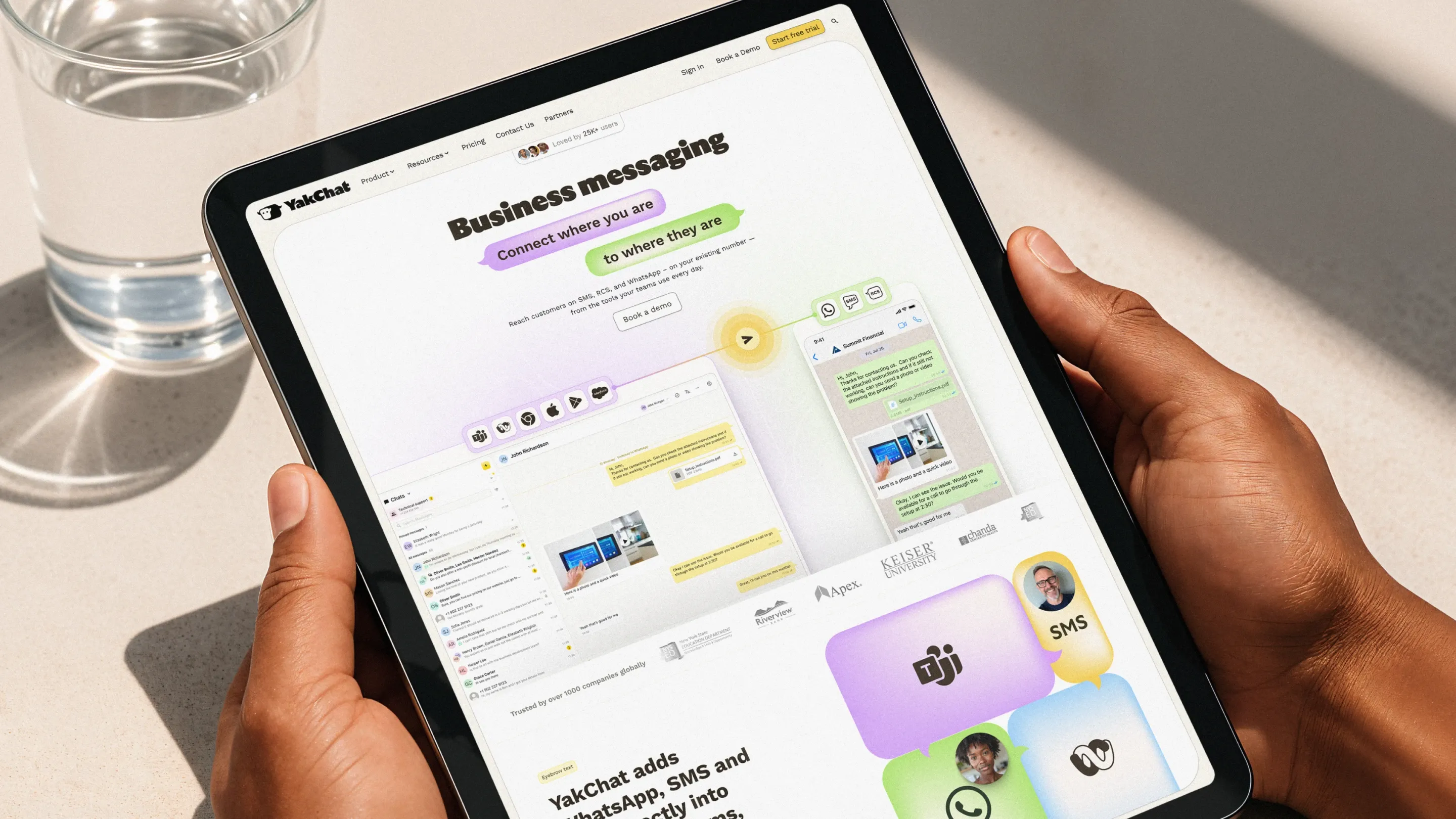
YakChat. A B2B messaging platform that needed a marketing site, a brand system, and a product UX rework, all sharing the same foundations. The job was not to design three things and hope they connected. It was to design one thing that lived across three surfaces.
Equals Even. A doctor-founded teen skincare brand. The website needed to balance medical credibility with warmth and approachability, and it needed to convert. The work was as much editorial as visual.
Bloobloom. A bold, character-led eyewear brand. The site had to carry a strong point of view across e-commerce, marketing, and storytelling without becoming chaotic.
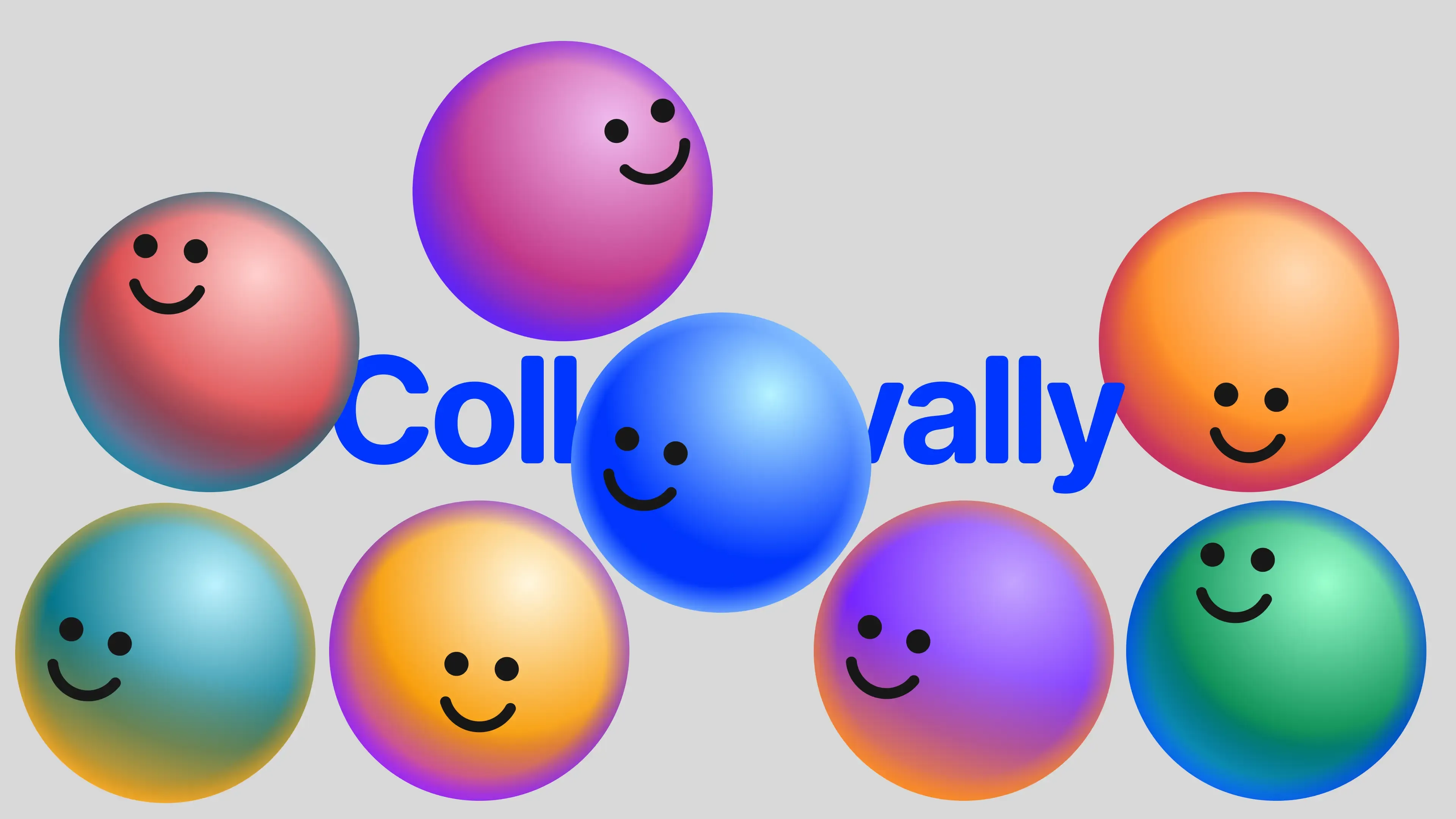
Collectivally. An accessibility product created with Web Usability, which needed a brand, a product and a website built together. The site had to make a serious subject feel approachable, explaining the idea through ordinary tasks and characterful personas rather than warnings and checklists.
Four very different briefs, but the same principles underneath all of them.
A short shortlist for your brief
If you are about to brief a website project, ask the studios on your shortlist these questions, in this order.
- What questions would you want to ask before agreeing a scope?
- How do you handle performance and accessibility?
- What does the editing experience look like for our team?
- What happens after launch?
- Show me a recent project that started uneven and ended better.
Studios that have good answers to all five tend to deliver good websites. Studios that have polished answers to two and vague answers to the rest tend to deliver disappointing ones.
If you’d like to compare answers with us, start a conversation, or read more about how we design and build websites near Bath.