If you are looking for a design agency in Bath, you have plenty to choose from.
Bath has been a design city for a long time. Some of the best independent studios in the UK are based here or just outside, and the wider creative ecosystem of writers, photographers, developers, and PR firms is as strong as anywhere in the country. That’s good news. It also makes choosing harder.
This guide is for anyone in Bath, Bristol, or the surrounding South West who is about to commission serious brand or digital work and wants to know how to choose. It is honest, including about us.
Start with the kind of work, not the studio
The most common mistake people make is choosing the agency before they have decided what the work actually is.
A studio that is brilliant at packaging design is not necessarily the right studio for a complex SaaS product. A studio that ships beautiful websites might have no real brand capability behind them. And a B2B technology specialist could be entirely the wrong partner for a luxury consumer brand.
Before you start a shortlist, get clear on what you actually need.
- Is this primarily a brand identity project, or primarily a website project, or both?
- Is the work consumer-facing, B2B, or internal?
- Does the work need to scale across many people and markets, or live as a single project?
- Is the team you will hand it to small and senior, or large and distributed?
Honest answers to those four questions will cut the field down fast. So will being realistic about budget before you start the shortlist — if the work includes a website, we have written an honest guide to how much a website costs in Bath, and if it is primarily brand work, a companion guide to how much branding costs.
Understand what type of agency you are talking to
Bath has roughly four kinds of design agency, and they are all calling themselves the same thing.
Brand-first studios. Their strongest work is identity, naming, packaging, and visual systems. Some are excellent at this and weaker on digital. If your project is primarily about how the brand looks and feels in the world, this is the right type of studio. Look for considered work, range across categories, and a willingness to talk strategy as much as design.
Web-first studios. Their strongest work is websites and digital products. Some have decent brand capability; many do not. If your project is primarily about the site, the editing experience, performance, and conversion, this is where to start. Look for fast, well-built case studies and an opinion about technology.
Joined-up studios. Their work covers brand, web, and digital product, ideally connected. Fewer studios actually do this well, but the ones that do tend to be the right answer for businesses that need the brand to live coherently across surfaces. This is roughly the territory we work in.
Larger agencies. Bath has a few of these. They have the people and processes for big international briefs, but the senior thinking sometimes gets diluted by the time the work reaches you. Worth knowing whether the people in the pitch will still be the people doing the work.
Knowing which type you actually need before you walk into the meeting changes the conversation.
What to look for in a real shortlist
Once you have narrowed by type, the differences between studios get harder to spot. A few things we’d pay attention to if we were briefing this work ourselves.
Range of recent work. Look at the last two years specifically. The earlier work tells you what the studio was good at. The recent work tells you what they’re good at now. Studios that haven’t updated their portfolio in eighteen months are usually busy. Sometimes they’re also drifting.
Depth on a specific kind of project. A studio that has shipped four serious brand identity projects in the last two years is more likely to ship yours well than a studio whose portfolio looks slightly different every year.
Senior involvement. Find out who will actually be on the work. In small studios, that is usually obvious. In larger studios, it can be a moving target. Senior people running pitches and junior people running delivery is the most common mismatch in this category.
An opinion about your problem. A studio that responds to your brief by mostly asking questions about your business is more likely to do good work than one that responds by mostly showing decks of past projects. A studio that pushes back on parts of your brief, gently, is even better.
A track record of long relationships. Some of the best signals come from how long clients stay with a studio. If most case studies are one-off projects, you are looking at a studio that ships and moves on. If clients return for second and third pieces of work, that tells you something about how it actually feels to work with them.
What we tell people about ourselves
Since we are writing this, it would be dishonest not to be specific about what we are and are not.
We are a small, senior team. The people you first speak to are the people who do the work. There is no junior delivery team behind a senior pitch.
We work across brand identity, web design, digital product design, and brand systems. Our strongest work is the kind that connects across two or more of those, where the brand has to live consistently across the website, the product, and the wider organisation.
Our studio is at Glove Factory Studios in Holt, a short drive from Bath, Bradford-on-Avon, and Bristol. Much of our recent work has been with businesses across Bath, Bristol, and the South West. Read more in our journal post on working with local brands in Bath.
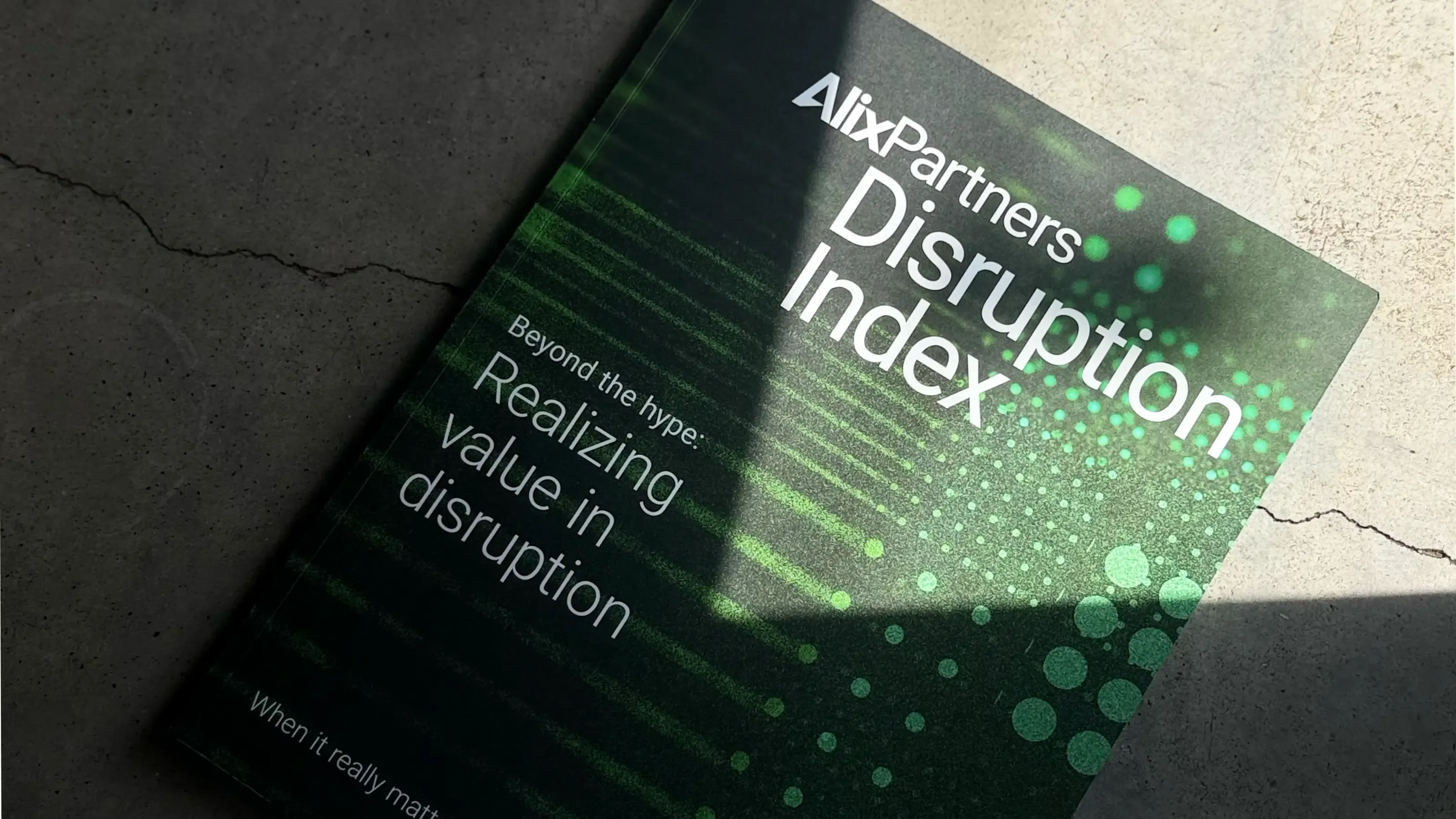
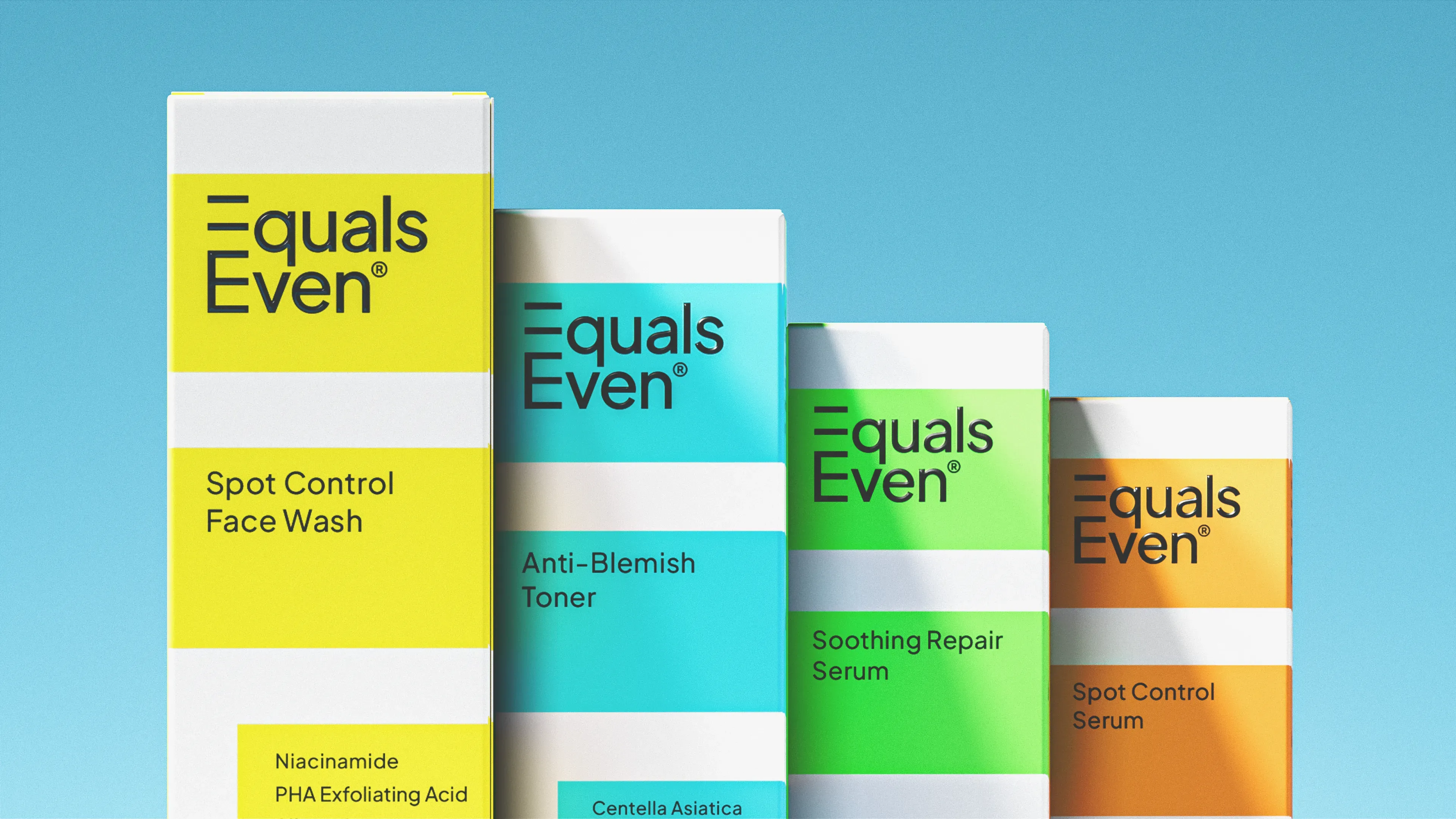
Recent work includes Equals Even, a doctor-founded teen skincare brand built from naming and identity through to packaging and e-commerce; AlixPartners, a global consulting brand system built around a generative tool; and Pelorus Insights, a Bath-based research consultancy needing an identity that matched the seriousness of the work.
We are probably not the right studio for very large international rebrands that need a hundred-person rollout team. We are probably the right studio for ambitious businesses that want senior thinking, joined-up execution, and a long-term partner.
A short test before you commit
Before you sign a proposal with anyone, try this.
Ask the studio what they would push back on in your brief. The answer tells you whether they are going to disagree with you helpfully when it matters. Studios that have nothing to push back on are usually being polite. The studios that say something specific and useful, even if it makes you uncomfortable, are the ones to take seriously.
If you’d like to do that test with us, tell us what you are working with. We’ll be honest about whether we’re the right fit, and if we’re not, we usually know who is.